September 11, 2019
Music And The Brain
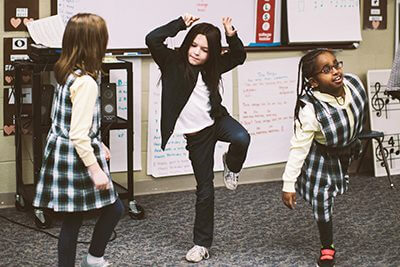
Music isn’t just something that’s good for your brain—it practically is your brain. Studying music is intrinsically tied to better hearing, speech, memory, reasoning, and emotional development. It lifts mood, builds community, and strengthens confidence. Music matters for long-term physical and psychological wellbeing, and to preserve brain health as we age. In terms of academic success, music education is directly connected to overall student achievement and personal growth, and it plays an essential role in Mounds Park Academy’s whole child, progressive, college preparatory curriculum, PreK through grade 12.
Building Social, Intellectual Capacity
According to recent research conducted by neuroscientists at the University of Southern California’s Brain and Creativity Institute, early education in music was shown to accelerate brain development in young children, especially in the parts of the brain that manage sound, language, speech perception, and reading skills. As described by neuropsychologist Catherine Loveday of the University of Westminster, “music reaches parts of the brain that other things can’t … it’s a strong cognitive stimulus that grows the brain in a way that nothing else does, and the evidence that musical training enhances things like working memory and language is very robust.” Read More
 by Dr. Bill Hudson, Head of School
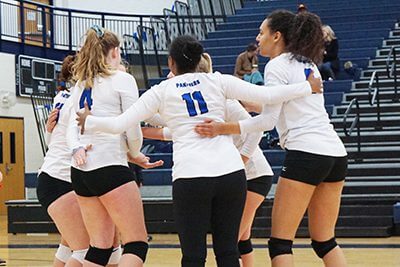
 Schools are busy places. Filled with energy, excitement, and activity, the dynamic ecosystem of a school creates a natural space for interaction among students, faculty, and families. But simply being together in the same place, at the same time, doesn’t automatically foster an environment where students feel interconnected, welcomed, and known. Creating community is an active, deliberate process. It’s a core accountability for academic institutions, and an essential element of MPA’s DNA—it’s built into who were are and what we do, with a support system that fuels academic success and facilitates a lifetime of wellbeing for students.
 by Dr. Bill Hudson, Head of School
 Building Character and Academic Success
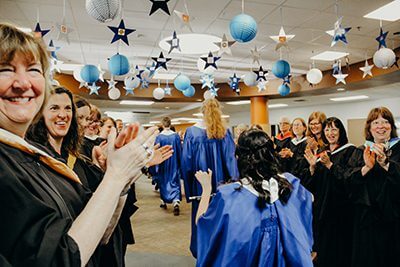 On June 8, 2019, students, families, and faculty gathered in Mounds Park Academy’s Nicholson Center to graduate the Class of 2019. The evening began with the Upper School Band’s rendition of “Pomp & Circumstance” as the junior color guard and MPA faculty and staff presented the graduates. Throughout the ceremony, the Concert Choir and Madrigal Singers shared songs and three members of the Class of 2019 spoke. Gabby Law ’19, Julia Portis ’19, and Valedictorian Ajay Manicka ’19 shared words of pride, encouragement, and inspiration for their fellow classmates.
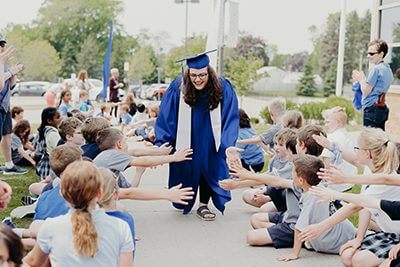 On Tuesday afternoon, I had the privilege of attending the presentations of three seniors who will graduate having earned a Graduate Certificate of Distinction in the Fine Arts. If you are not familiar with the Graduate Certificate of Distinction (GCD), it is designed for students ready and willing to pursue their passions through additional and focused coursework, research, and volunteerism. The GCD allows students to dive deeper into one area of their choosing: STEM, Global Studies, or the Fine Arts. The depth of inquiry that students experience through achieving a Certificate typically simulates what they will find in college, requiring hundreds of hours beyond the classroom.
 Matt Berning ’18 first stumbled across
  by Dr. Bill Hudson, Head of School