April 27, 2023
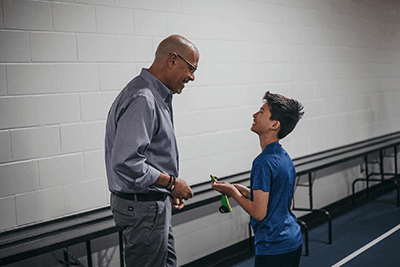 from Natalie Waters Seum, director of admission and communication
Editor’s Note: Periodically, you will find a guest Head’s Message here from one of MPA’s administrators. We hope you enjoy reading their thoughts and reflections about life at MPA.
I’ve spent this year encouraging new families to join this incredible school community while I’m uniquely positioned at the very end. With a lifer in the Class of 2023, I’ve had the privilege of being an MPA parent for 13 years. I’ve noticed this year that new families come to us with gratitude and anticipation for what lies ahead, and senior parents depart feeling the same way. For both, it’s a unique and very challenging mix of peace and worry. Of joy and sadness. Of gratitude and fear.
I know the community is anxiously awaiting the arrival of these new families. Interest continues to be at an all-time high and on pace with last year. So far in this admission season, we have enrolled 86 new young people and are working toward a goal of nearly 120. I’ll share some interesting facts with you about this year’s incoming families:
- Nearly half of our new students are joining us in PreK or kindergarten. Strong Lower School enrollment is a foundational element for MPA’s future.
- They come to us from nearly 55 US zip codes and four countries. MPA continues attracting many relocating families looking for an entirely new place to call home. Interest from international families is rebounding after the COVID-19 decline.
- Thirty percent of our grades are already full, including PreK, K, 4, and 7; others are very close to being at capacity. We pay close attention to class size to adhere to the established caps. As heartbreaking as it is to wait pool a student, it is essential to our mission.
If your interest is piqued and you would like to help welcome these new families to MPA, please volunteer to help at the Panther Party on Friday, May 5, from 4-5:30 PM. It will be a short, high-energy event, and I guarantee you will leave campus in a good mood! We need additional current families to mingle with new families in the Family Commons. You can You can sign-up here.
In addition, the Office of Development and Community Engagement is seeking buddy families to be paired with new families in grades 1-12. The role of a buddy family is to help the student and family acclimate, get connected, and feel great on the first day at a new school. If you are interested, please reach out to Angie Gerstner, development coordinator, at agerstner@moundsparkacademy.org or 651-748-5539.
The Parents Association will begin recruiting grade representatives and board members very soon. Watch for that opportunity. It is an incredibly important and rewarding way to not only get engaged yourself but help engage other families—particularly our new ones. For more information, please contact co-presidents Staci Banks and Christine Larson at sbanksPA@moundsparkacademy.org and clarsonPA@moundsparkacademy.org.
Or, if your interest is piqued about the other end of the journey and you would like to help bid farewell to the Class of 2023, don’t miss the Senior Walk on Thursday, May 25, at 1 PM. Seniors will don their caps and gowns and parade through the PreK-11 community. It is a beloved tradition and this will be our 7th annual. Bring your tissues!
As Coretta Scott King said, “The greatness of a community is most accurately measured by the compassionate actions of its members.” I humbly ask each family to do what they can to welcome our new families and bid farewell to the Class of 2023. Particularly at inflection points like this, there is great gratitude for the MPA community’s support.
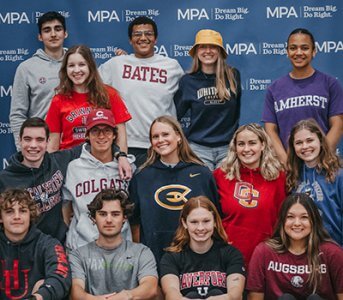 This Monday was an exciting day for Class of 2023 student-athletes and their families! Fifteen members of the class are moving on to participate in college athletics—that’s 25%! The entire Upper School student body gathered in the Lansing Sports Center to celebrate their selections and wish them well. Go Panthers! For the full album of photos, click here.
 Pre-K: Details coming soon
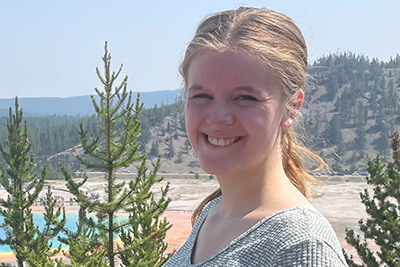
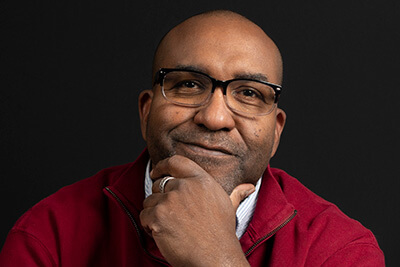 We are so excited to welcome Rudy Ford to MPA as our new director of after-school and summer programs. We’re incredibly happy to have him, and we can’t wait to see all of the enhancements and growth he will bring to the program. Rudy will be starting May 31, so make sure to stop by and give him a warm MPA welcome!
 from Bill Hudson, head of school
 Thank You!
 What position will you be holding at MPA?
 from Bill Hudson, head of school
 from Ann Jurewicz, Lower School director
 Panther Party